

What Is Sales Analytics?
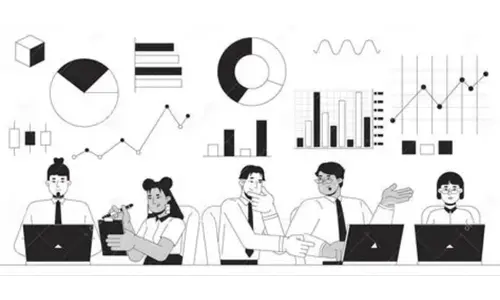
A Practical Overview for Data-Driven Sales Teams
Sales analytics is the process of collecting and analyzing sales data to evaluate performance, identify opportunities, and improve decision-making across sales teams.
Instead of relying on intuition, modern sales organizations use analytics to understand historical performance, track key metrics, and predict future outcomes. With interactive dashboards, sales leaders gain real-time visibility into pipeline health, conversion rates, and revenue trends.
How Sales Analytics Works
Sales analytics transforms raw data into actionable insights through a structured process:
- Data collection from CRM systems, ecommerce platforms, and sales activities
- Data analysis using descriptive, diagnostic, predictive, and prescriptive techniques
- Insight generation through KPIs such as win rate, pipeline value, and conversion rate
- Actionable decisions like adjusting pricing, improving lead quality, or optimizing sales strategy
- Continuous improvement by monitoring updated metrics over time
Types of Sales Analytics
Descriptive Analytics
Summarizes past performance using metrics like revenue, growth rates, and total sales.
Key question: What happened?
Diagnostic Analytics
Identifies the reasons behind performance outcomes by analyzing root causes.
Key question: Why did it happen?
Predictive Analytics
Uses historical data and models to forecast future sales and customer behavior.
Key question: What is likely to happen?
Prescriptive Analytics
Recommends actions to optimize outcomes using advanced analytics and AI.
Key question: What should we do next?
Why Sales Analytics Matters
Sales analytics enables organizations to:
- Identify trends across products, regions, and customer segments
- Improve customer acquisition and targeting strategies
- Optimize sales pipelines and shorten sales cycles
- Make confident, data-driven decisions
- Build fair incentive and commission structures
Sales Analytics in a Dashboard-Driven World
With modern BI tools, sales analytics becomes interactive and continuous. Dashboards allow teams to track performance in real time, compare results against targets, and align sales execution with broader business objectives.
Final Thoughts
Sales analytics is no longer optional—it is a core capability for modern sales organizations. By turning data into insights and insights into action, sales teams can grow revenue, improve efficiency, and stay competitive in fast-changing markets.